Solar Security Camera Buyer Checklist for Importers and Distributors
A practical B2B sourcing checklist for importers, wholesalers, and security distributors evaluating 4G and WiFi solar security cameras across connectivity, solar panel and battery sizing, PIR vs. AOV detection, IP66 weatherproofing, and factory aging QA.
Sourcing solar-powered security cameras for wholesale or private-label distribution requires evaluating hardware beyond headline megapixel numbers. Because solar units combine wireless radios, photovoltaic charging, rechargeable battery packs, and outdoor enclosures, weak specifications quickly translate into field failures and costly RMA claims. Use this buyer checklist to audit engineering samples and factory specifications before placing a volume order.
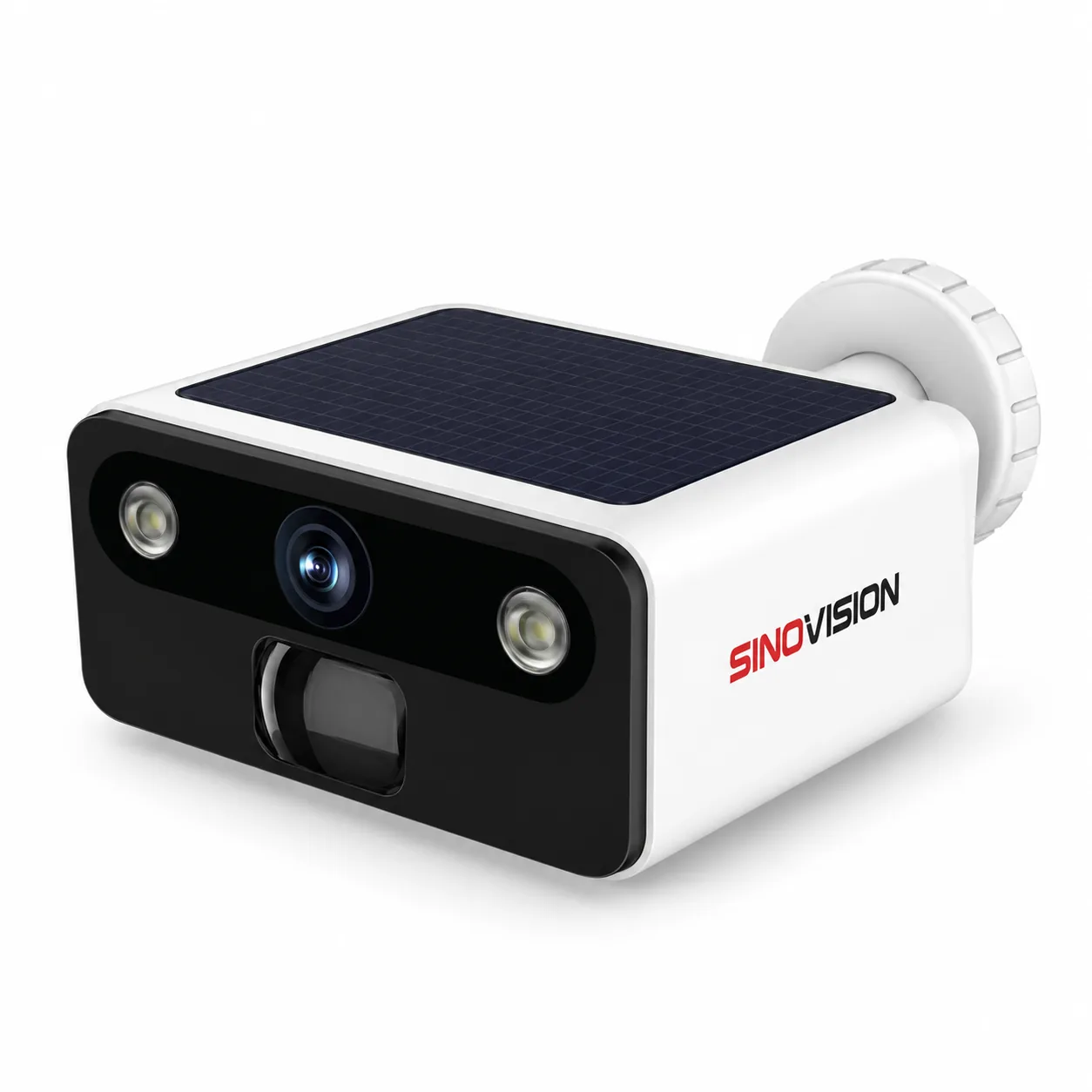
## 1. Connectivity Selection: 4G LTE vs. WiFi Solar Architecture Match the wireless architecture to your target channel's installation environment rather than stocking a single SKU for every buyer: - Confirm regional cellular frequency bands and carrier compatibility for 4G solar SKUs deployed on farms, construction sites, and off-grid perimeters without broadband routers. - Test SIM slot accessibility, automated APN recognition, and reconnection stability after deliberate signal attenuation. - Reserve WiFi solar models for residential yards, garages, and perimeter extensions within verified router coverage.
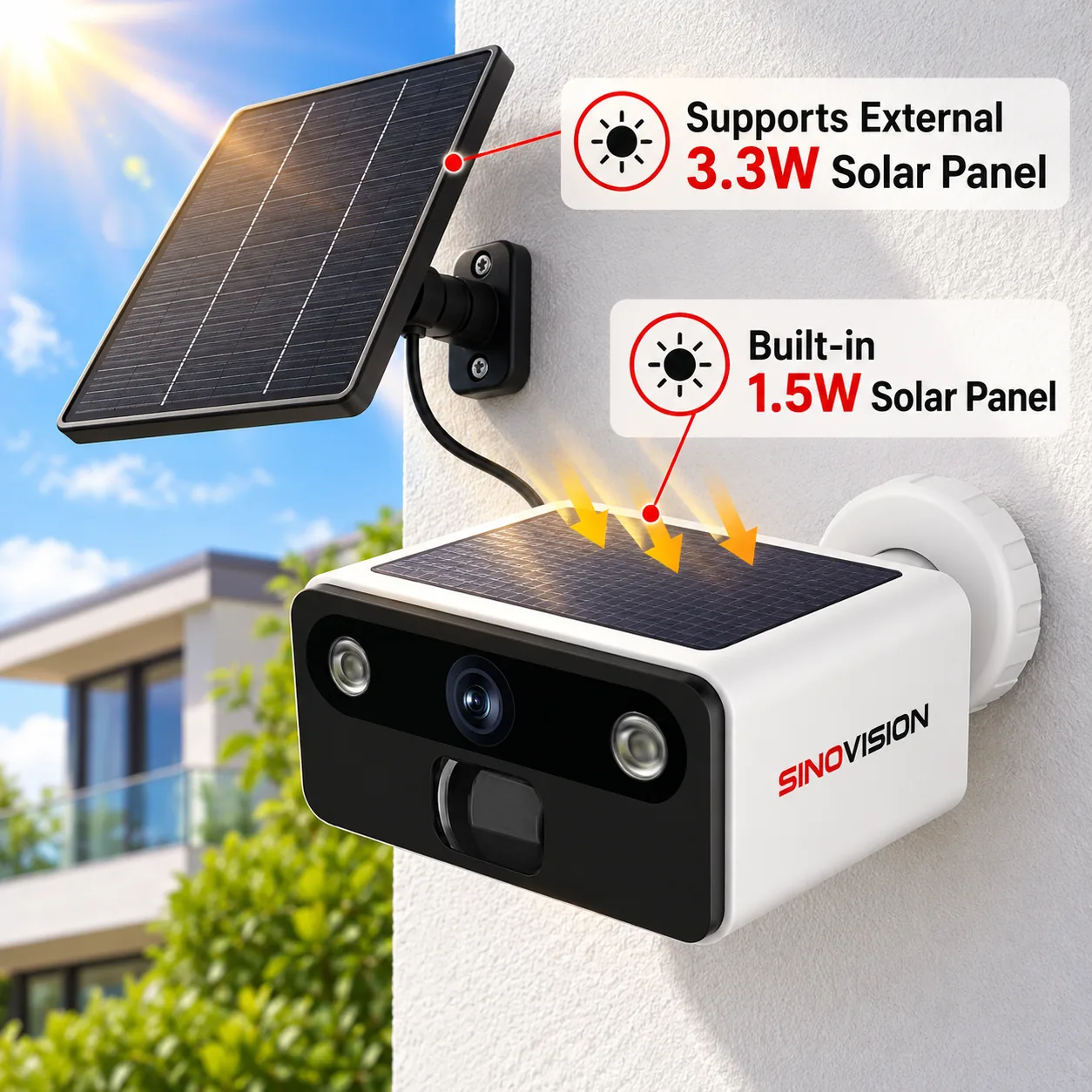
## 2. Solar Panel Output and Rechargeable Battery Capacity Power balance determines whether a camera survives overcast seasons without manual recharging. Inspect both generation and storage hardware on physical samples: - Verify whether the unit relies on an integrated compact panel (such as a built-in 1.5W panel) or supports a higher-wattage external solar panel (such as an optional 3.3W panel) with sufficient cable length for shaded mounting locations. - Audit battery capacity options (for example, 9000mAh vs. 18000mAh configurations) alongside low-voltage cut-off thresholds and cold-weather charging protection.

## 3. Detection Mode: PIR Event Trigger vs. AOV Continuous Recording False triggers drain battery reserves and consume cellular data plans, while missed events erode end-user trust. Evaluate how the sample balances power savings with capture completeness: - Traditional PIR-triggered cameras sleep between motion events and wake on infrared heat signatures, making them suited for low-traffic perimeters. - Always-On Video (AOV) solar architectures record at low frame rates during idle periods and switch to full frame rates on human or vehicle detection, reducing blind gaps between clips. - Test detection distance, human/pet filtering accuracy, and wake-up latency from standby during daytime and night transitions.

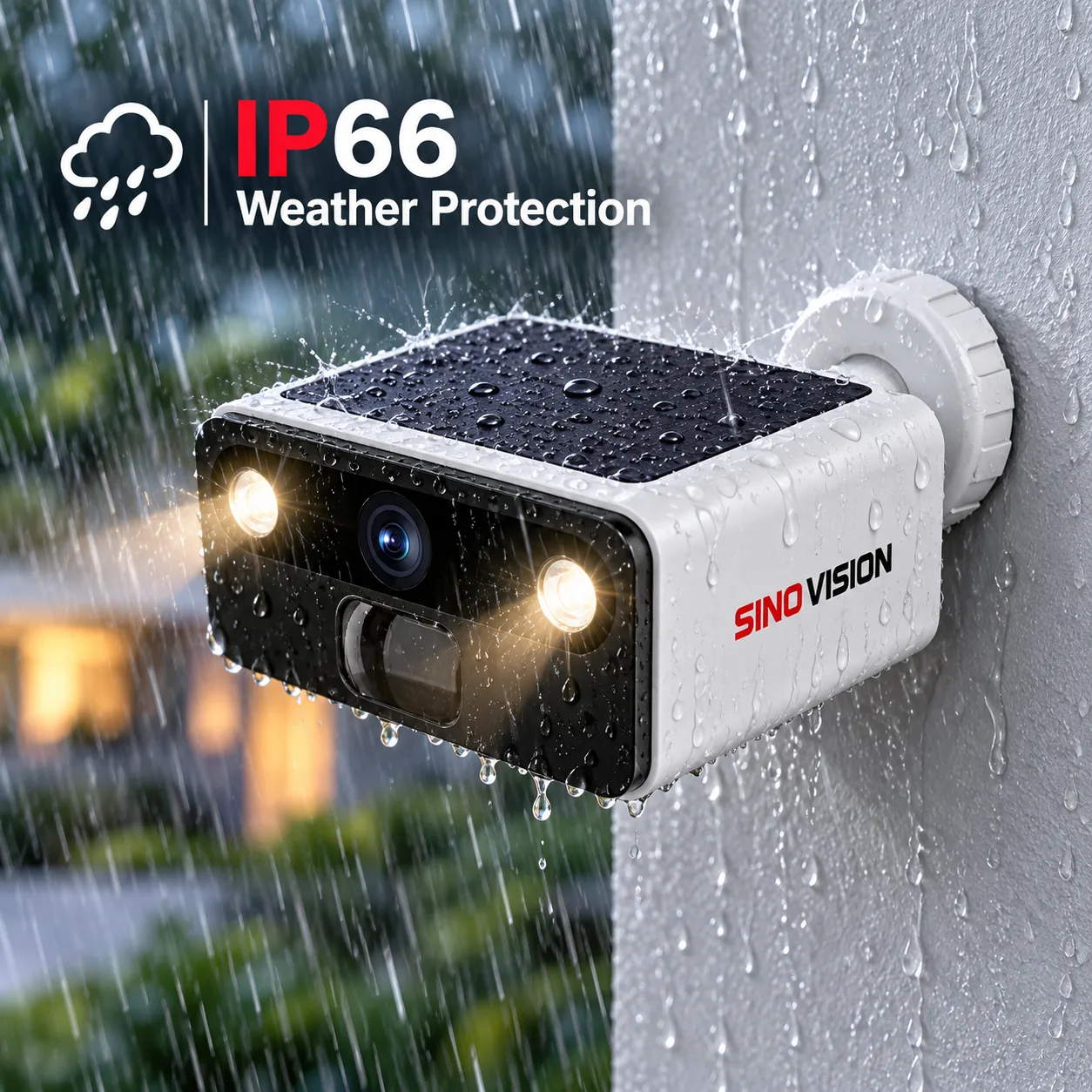
## 4. Weatherproofing, Night Illumination, and Local Outage Storage Outdoor solar cameras must maintain image clarity and storage integrity across harsh weather and temporary cellular dropouts: - Inspect gasket seals, charging port covers, and cable glands against IP66 weatherproof requirements under heavy rain simulation. - Check infrared and dual-floodlight full-color night vision performance at realistic perimeter distances (such as 20m IR range). - Simulate cellular disconnects during active motion events to verify uninterrupted local MicroSD recording and automatic clip synchronization once the network returns.
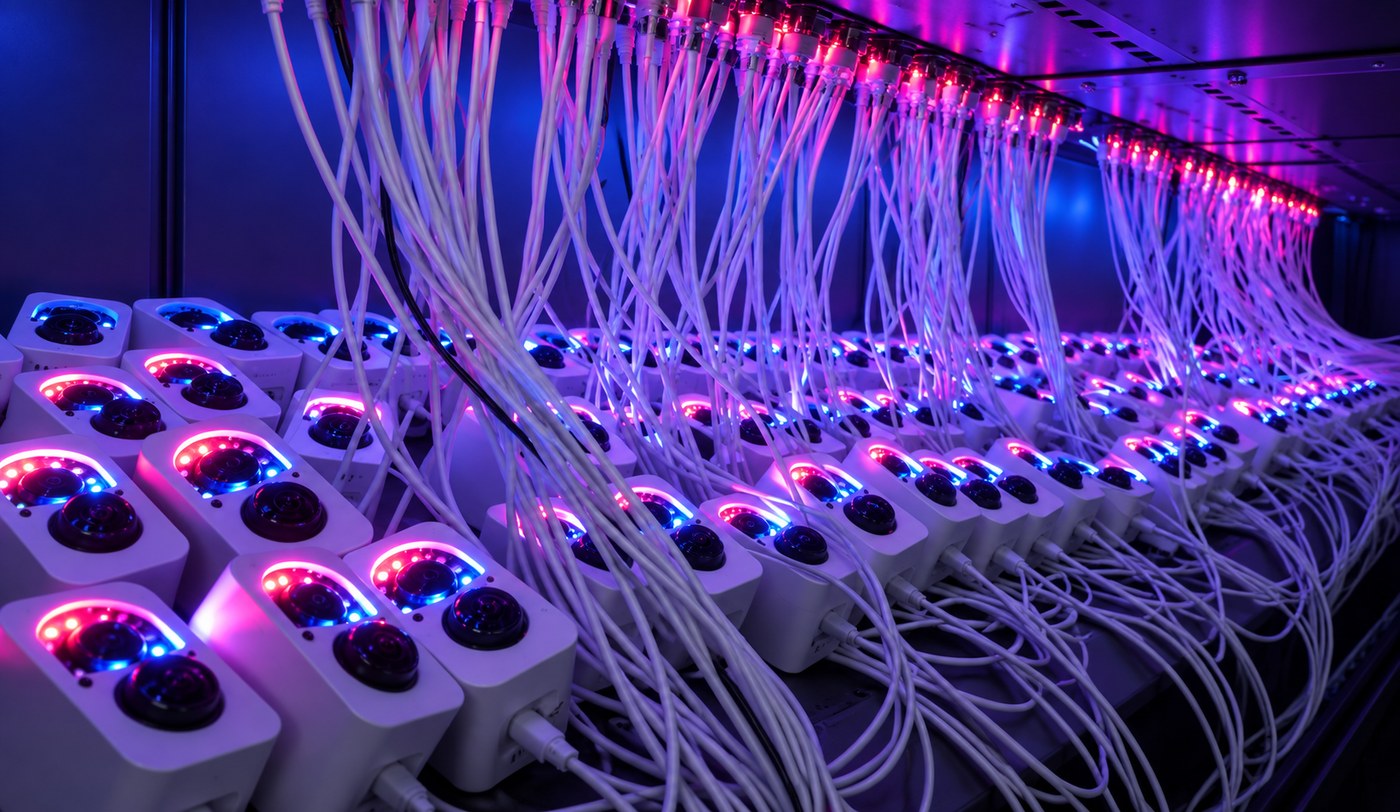
## 5. Factory Aging QA, Compliance Documentation, and OEM Readiness Before approving mass production, review the manufacturer's quality control workflow and private-label support: - Confirm incoming quality control (IQC), burn-in aging tests, and waterproof inspection records on production batches. - Verify regional regulatory certificates required by customs and retail channels, along with spare-part availability for solar panels, brackets, and battery modules. - Confirm OEM/ODM readiness across firmware branding, app platform compatibility, packaging localization, and label customization.